 Written by
 Islamic Prayer Times in Philadelphia: A Practical Guide
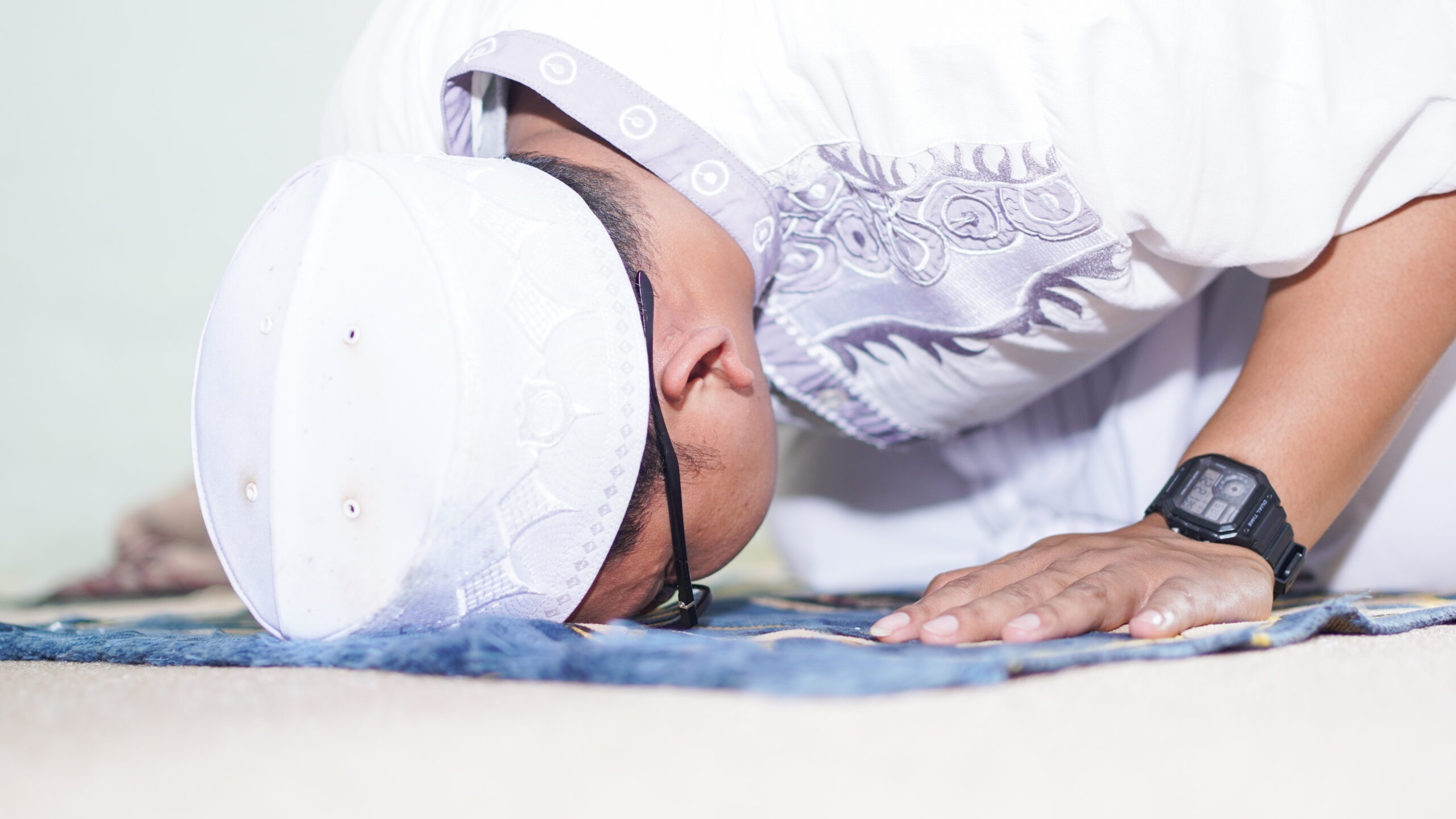
Five daily check-ins with Allah, five shifting windows to catch them — here’s how salah actually works when you’re living in Philadelphia.
| Common method | ISNA, followed by most Philadelphia-area mosques |
|---|---|
| What determines timing | The sun’s position, not a fixed clock — times shift daily and seasonally |
| Biggest seasonal swing | Fajr and Isha, due to Philadelphia’s long summer daylight hours |
| Friday prayer | Jumu’ah replaces Dhuhr, with multiple sessions at most local mosques |
| Best sources | Mosque schedules or a reputable prayer time app, checked regularly |
Why Salah Anchors the Day
Salah isn’t a single ritual so much as five recurring check-ins spread across the day — a structure that holds regardless of whether you’re in Makkah or Philadelphia. What changes by location is the timing, since prayer windows are tied to the sun’s movement rather than a fixed schedule.
That distinction matters practically. Praying outside the correct window can invalidate the prayer, which is exactly why knowing accurate local times isn’t a minor detail — it’s the difference between an act of worship counting and not.
Why Accuracy Matters Here
Philadelphia’s location in the northeastern U.S. means daylight hours swing dramatically across the year — long summer evenings pushing Maghrib past 8:30 PM, short winter days pulling Fajr and Isha much closer together. Without a reliable schedule, it’s genuinely easy to lose track, especially during Ramadan when Suhoor and Iftar depend on getting Fajr and Maghrib right.
There’s a community dimension too — when local mosques and worshippers use consistent, accurate timing, congregational prayers actually align. In a city with Muslims from a wide range of backgrounds and schools of thought, that shared reference point does more for cohesion than it might seem at first.
How Prayer Times Are Calculated
Each prayer corresponds to a specific solar event rather than a clock time: Fajr at true dawn, Dhuhr once the sun passes its highest point, Asr when a shadow reaches a defined length, Maghrib right after sunset, and Isha once twilight fully fades. That’s a genuinely old method, refined with modern astronomical calculation but conceptually unchanged for centuries.
Different organizations use slightly different angle calculations for Fajr and Isha specifically, which is why prayer times can vary by a few minutes between apps. The Muslim World League method is common globally, the Umm al-Qura method is mostly used in Saudi Arabia, and ISNA is the standard most North American mosques — including most in Philadelphia — have settled on.
The Five Daily Prayers
Fajr
The dawn prayer — as early as before 4:00 AM in summer, much later in winter.
Dhuhr
The midday pause, relatively stable across seasons and easy to fit around work or school.
Asr
Mid-to-late afternoon, often overlapping the end of the workday or school hours.
Maghrib & Isha
Maghrib starts right at sunset with a short window; Isha follows once twilight is fully gone.
Jumu’ah and Ramadan Locally
Jumu’ah replaces Dhuhr on Fridays, and most Philadelphia mosques run multiple sessions to accommodate different schedules — a practical necessity given how many people are trying to fit it around work or school in a single midday window. More employers and schools are also accommodating the timing than in years past, which helps.
Ramadan adds its own rhythm: Suhoor tied to Fajr, Iftar tied to Maghrib, and Taraweeh following Isha. Philadelphia’s long summer fasts in particular require real planning — Maghrib arriving well after 8:30 PM means a long day, and getting the schedule right matters more than usual during the month.
Finding Reliable Times
Prayer time apps and mosque websites are both reasonable sources, though it’s worth checking that any app you use is set to the ISNA method (or whichever your local community follows) and that daylight saving changes are reflected correctly — that’s the most common source of confusion people run into.
Mosque-posted schedules are usually the simplest reference, since they reflect exactly what your local community is already using for congregational prayer, without needing to reconcile differences between apps yourself.
Staying Consistent
A few habits make the biggest difference: set reminders rather than relying on memory, build your day loosely around prayer windows instead of squeezing them in as an afterthought, and know in advance where you can pray if you’re away from home — a quiet office corner, a car, a nearby mosque.
None of this is complicated, but it’s the kind of thing that only sticks with a little upfront planning. Once it’s a habit rather than a decision made five times a day, it stops feeling like friction.
Frequently Asked Questions
Which prayer time calculation method is best for Philadelphia?
ISNA is the method most commonly used and recommended across North America, and it’s what most Philadelphia-area mosques follow.
Do prayer times change every day?
Yes. Because prayer times are tied to the sun’s position rather than a fixed clock, they shift slightly day to day and more noticeably across the seasons.
How do I manage prayer around work or school?
Plan around your schedule in advance, use breaks for Dhuhr or Asr when they land during work hours, and communicate your needs to an employer or school if timing is tight.
Why is Isha so late in Philadelphia during summer?
Isha begins once twilight fully disappears, and Philadelphia’s long summer daylight hours push that point later into the night, sometimes close to midnight.
Can I rely on mosque prayer times instead of an app?
Yes. Mosque schedules are generally reliable and reflect the local community’s chosen calculation method, which can be a simpler reference than comparing multiple apps.
The Bottom Line
Prayer times in Philadelphia aren’t complicated once the underlying logic clicks — five solar events, shifting daily, sometimes swinging hard between seasons. The real work isn’t understanding the calculation; it’s building a routine flexible enough to hold up against a Philadelphia summer’s early Fajr and late Isha without turning salah into a source of stress. A reliable app or mosque schedule, checked regularly, handles the rest.
Contact
Available for contract work involving WordPress development, SEO/AEO, and digital marketing.
- LocationKhulna, Bangladesh
- Websitemahadi.moejja.com
- Platformmoejja.com
- WhatsAppMessage on WhatsApp