 Written by
 Wudu in Islam: Meaning, Steps, and What Breaks It
Five times a day, a short ritual wash marks the line between ordinary activity and prayer — here’s what Wudu actually involves and why it matters.
| What it is | Ritual washing of specific body parts before prayer and other acts of worship |
|---|---|
| Required before | Salah, touching the Arabic Mushaf, and Tawaf |
| Common nullifiers | Using the restroom, deep sleep, loss of consciousness |
| Alternative | Tayammum (dry ablution) when water is unavailable or harmful to use |
| Core requirement | Intention (niyyah) plus washing the specified parts in order |
What Wudu Actually Is
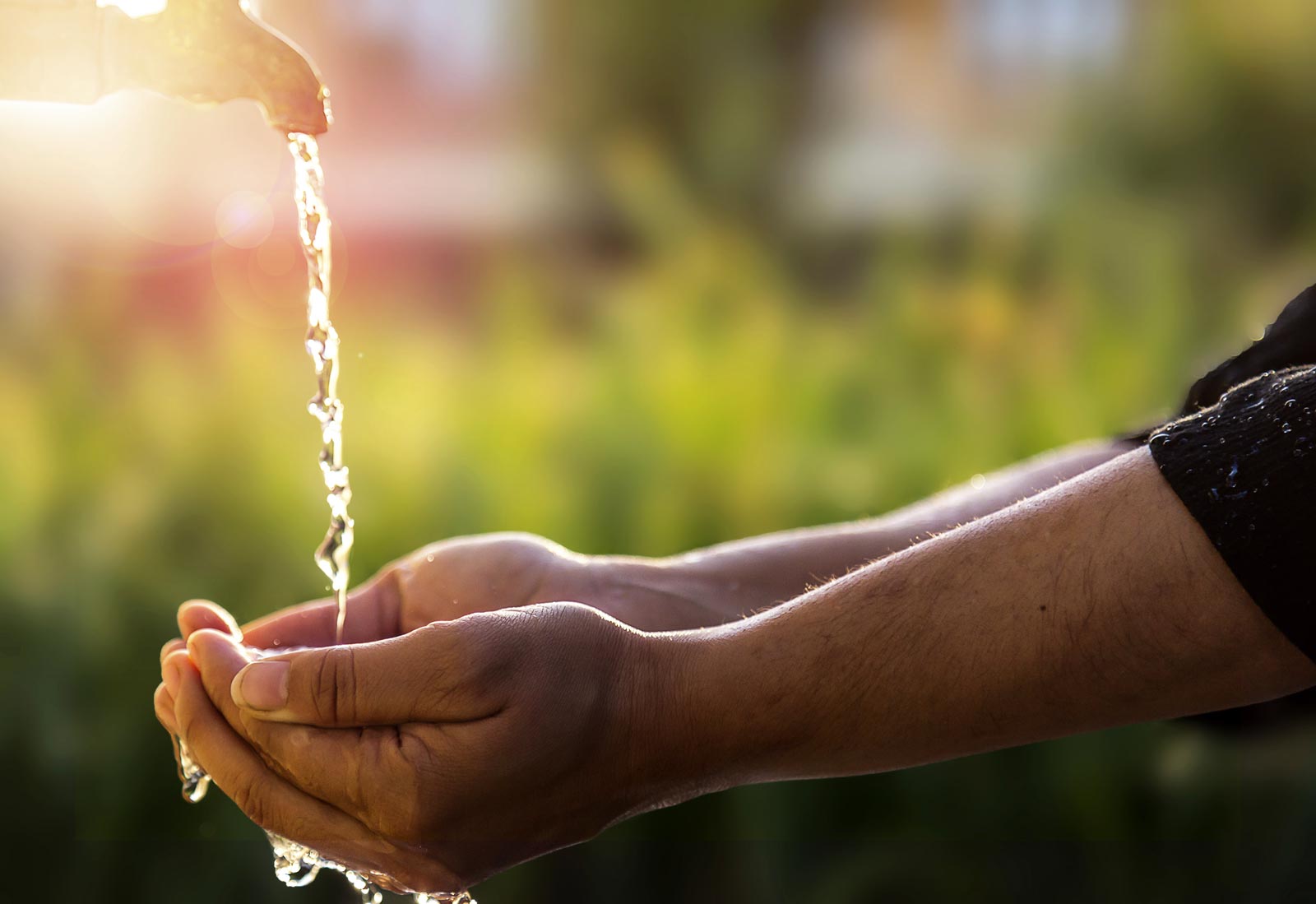
Wudu is the ritual washing of the face, arms, head, and feet, performed before prayer and certain other acts of worship. A hadith frames cleanliness as inseparable from faith, and Wudu is the most frequent, practical expression of that principle — repeated multiple times a day rather than treated as an occasional ritual.
Functionally, it marks a transition — a brief pause that separates whatever came before it from the act of standing in prayer. The washing itself is simple, but it’s treated as genuinely consequential: without it, prayer isn’t considered valid.
The Spiritual Significance
A hadith describes sins tied to specific senses — what was seen, what was touched — being washed away as each corresponding body part is cleaned during Wudu, framing the ritual as more than hygiene. Another hadith states plainly that maintaining Wudu consistently is something specifically associated with belief, treating it as an ongoing spiritual habit rather than a box checked only before prayer.
The requirement for intention (niyyah) matters here too — the same physical motions performed without that awareness are just washing, not Wudu in the religious sense. That distinction is part of what turns a routine act into something treated as genuinely renewing.
When Wudu Becomes Obligatory
Before Salah
Required before every obligatory or voluntary prayer — commanded directly in the Quran (5:6).
Before touching the Mushaf
Most scholars require purity before touching the Arabic text of the Quran directly.
Before Tawaf
Circumambulating the Ka’bah is treated similarly to prayer in this respect.
After impurity
Using the restroom, deep sleep, or loss of consciousness all require renewing Wudu.
How to Perform Wudu, Step by Step
Start with the intention held in the heart, then say Bismillah. Wash both hands to the wrists three times, rinse the mouth three times, then clean the nose by gently inhaling water and exhaling it out — three times each. Wash the face from forehead to chin, ear to ear, three times, then the arms up to and including the elbows, right side first, also three times.
Wipe the head once with wet hands, front to back and back to front (many include the ears in the same motion), then wash the feet to the ankles three times, right foot first, making sure water reaches between the toes. A short declaration of faith is commonly recited afterward. None of this needs to be rushed — the process is meant to be deliberate, and skipping the calm, attentive pace tends to diminish what it’s meant to accomplish.
Common Mistakes to Avoid
Skipping the intention is the most consequential mistake — without it, the same physical motions don’t count as valid Wudu. Missing spots is a close second: elbows, ankles, and areas under rings or long nails are commonly overlooked, and even a small dry patch technically invalidates the whole act.
Wasting water is specifically discouraged — a hadith warns against excess even near a flowing river, which sets a fairly clear standard against treating water use casually. Changing the washing order, talking through the process, or rushing without attention are all flagged as reducing the act’s value, even when technically completed.
Water and What Nullifies Wudu
Water needs to remain in its natural, unaltered state to be valid for Wudu — rainwater, sea water, and standard tap water all qualify, while water mixed with something else (juice, soap, tea) to the point its natural properties change no longer counts, even if it’s still clean. Water is generally presumed pure unless there’s clear evidence it’s been contaminated.
Wudu breaks under a fairly specific set of conditions: anything exiting from the front or back passages, deep sleep (light dozing doesn’t count), loss of consciousness or intoxication, and — according to most schools — direct touching of the private parts. Menstrual or postpartum bleeding requires a full Ghusl rather than just renewed Wudu.
Tayammum: When Water Isn’t an Option
When water is genuinely unavailable, or using it would cause harm due to illness or injury, Tayammum — dry ablution using clean earth or dust — is prescribed as a direct substitute. The Quran addresses this situation explicitly, describing it as an accommodation for travel, illness, or simple lack of access (5:6).
The method itself is brief: intend the purification, strike clean earth or a dust-covered surface once, wipe the face, then wipe each hand with the other up to the wrist. A hadith frames the earth itself as having been made a valid means of purification — a fairly direct statement that no circumstance should leave someone unable to pray at all.
Flexibility for Medical Conditions
Islamic teaching is explicit that no one is burdened beyond what they can manage (2:286), and that principle shapes how Wudu is adapted for illness, injury, or limited mobility — washing what’s genuinely possible, with Tayammum available when water use would cause harm. Ongoing conditions like incontinence or continuous minor bleeding fall under what’s generally termed “excused impurity,” where renewing Wudu at each prayer time is sufficient even if the condition persists through the prayer itself.
For people who are bedridden or unable to move independently, even a minimal or assisted version of the ritual — or intention alone when physical action truly isn’t possible — is treated as sufficient. The consistent theme is that the obligation adapts to genuine physical limitation rather than the other way around.
Spiritual and Physical Benefits
Spiritually, Wudu is described as offering forgiveness for minor sins when performed with full attention followed by sincere prayer — treated less as a mechanical transaction and more as evidence that consistent, mindful practice compounds over time. The repetition itself — five times daily — builds a kind of structural mindfulness into the day that’s hard to replicate with a single daily ritual.
Physically, the basics are uncontroversial: regular washing of hands, face, and feet supports ordinary hygiene, and rinsing the mouth and nose has genuine, modest benefits for oral and nasal cleanliness. The calming effect many describe — cooler water, a slower pace before prayer — lines up with broadly understood relaxation responses, though it’s worth treating this as a supportive wellness habit rather than a scientifically validated cure for anything specific.
Frequently Asked Questions
Can Wudu be performed without saying Bismillah?
Saying it is Sunnah and recommended, but forgetting it doesn’t invalidate the Wudu — it simply means missing out on the additional reward tied to following the Prophet’s practice.
Does touching another person break Wudu?
Scholars are divided. Some schools hold that direct contact between unrelated men and women invalidates Wudu, while others say it doesn’t unless accompanied by desire.
How long does Wudu remain valid?
It stays valid until broken by a nullifying act — using the restroom, deep sleep, or loss of consciousness are the most common examples.
Can bottled or filtered water be used for Wudu?
Yes, as long as the water remains pure and its natural color, taste, and smell are unchanged.
What’s the significance of maintaining Wudu throughout the day?
A hadith describes staying in a continuous state of Wudu as a mark of strong faith, treated as a source of ongoing spiritual benefit beyond just prayer readiness.
The Bottom Line
Wudu is a short, structured ritual, but its repetition is really the point — five deliberate pauses a day, each one marking a small shift from ordinary activity toward prayer. The mechanics are simple enough to learn in a few minutes; what makes it meaningful, according to the tradition itself, is doing it consistently and with actual attention rather than rushing through motions that happen to be technically correct.
Contact
Available for contract work involving WordPress development, SEO/AEO, and digital marketing.
- LocationKhulna, Bangladesh
- Websitemahadi.moejja.com
- Platformmoejja.com
- WhatsAppMessage on WhatsApp