 Written by
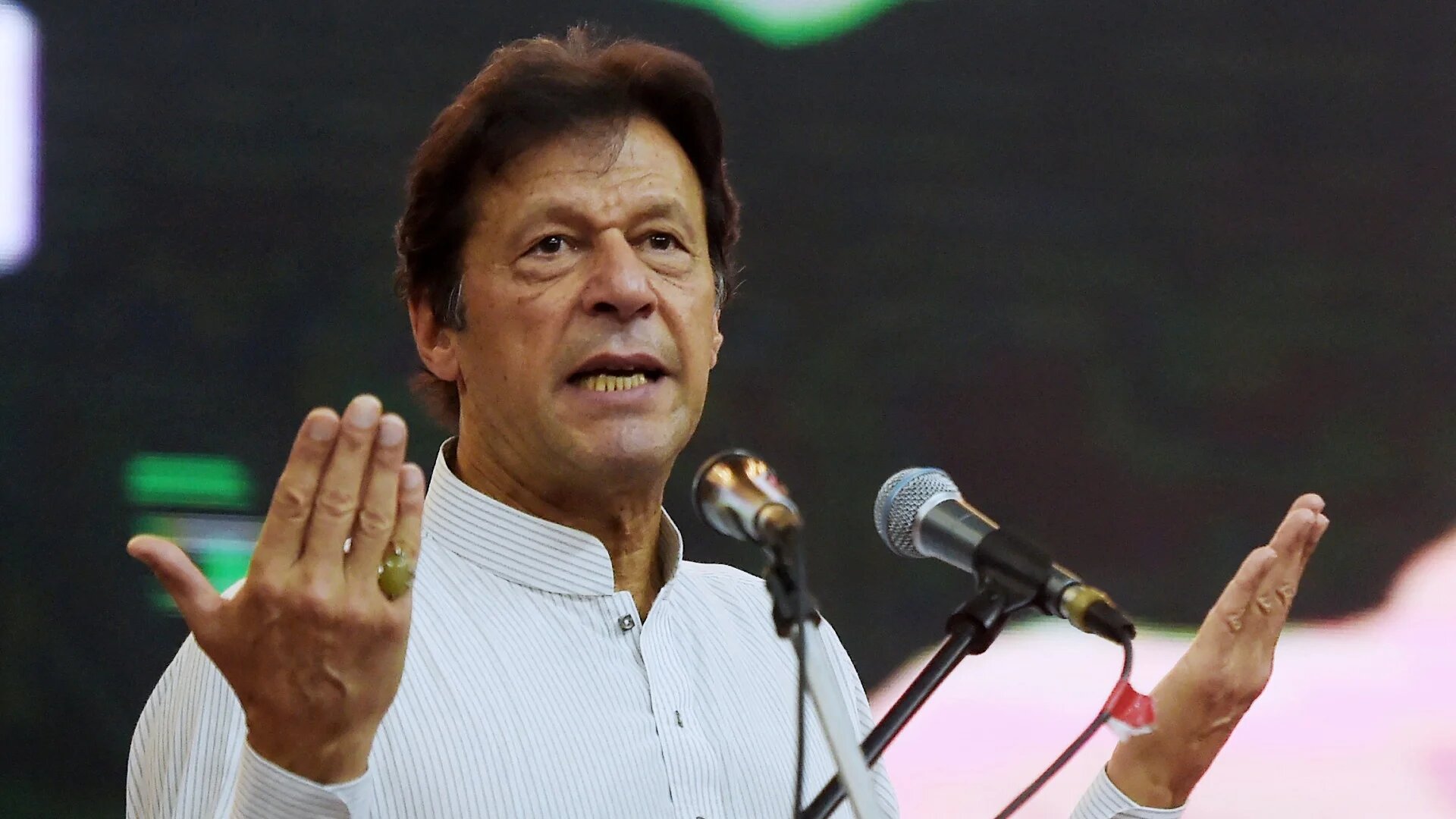
 Imran Khan: Cricket Legend, Prime Minister, and Contested Legacy
From lifting Pakistan’s only Cricket World Cup to leading the country as prime minister, Imran Khan’s story is genuinely remarkable — and genuinely contested, especially in its current chapter.
| Born | October 5, 1952, Lahore, Pakistan |
|---|---|
| Best known for | Captaining Pakistan’s 1992 World Cup win; founding Shaukat Khanum Hospital; serving as PM (2018–2022) |
| Political party | Founder of Pakistan Tehreek-e-Insaf (PTI), 1996 |
| Removed from office | April 2022, via a parliamentary no-confidence vote |
| Current status | Imprisoned since August 2023, serving sentences from multiple convictions |
Early Life and Cricket Career
Imran Ahmad Khan Niazi was born into a comfortable, well-educated Lahore family, attended Aitchison College and England’s Royal Grammar School Worcester, and studied Philosophy, Politics, and Economics at Oxford. That combination — elite education paired with a genuine connection to Pakistan’s cricket-obsessed public — shaped much of his later public image.
His cricket career, largely uncontroversial as far as legacy goes, is the part of his story most people agree on: an aggressive, charismatic fast bowler who became captain, and who led Pakistan to its only Cricket World Cup title in 1992 after the team nearly crashed out early in the tournament. That win remains a genuine point of national pride across Pakistan’s political divides.
From Athlete to Philanthropist
Shaukat Khanum Hospital
Founded in memory of his mother, opened in Lahore in 1994, funded largely through public donations.
Free cancer care
Now one of South Asia’s largest cancer treatment centers, offering free treatment to most patients.
Namal University
Founded later in rural Mianwali, extending his focus on institution-building beyond healthcare.
Public trust built
The hospital’s grassroots funding model gave him a reputation for credibility well before he entered politics.
Founding PTI and the Years in the Wilderness
Khan founded Pakistan Tehreek-e-Insaf in 1996, positioning it against the country’s two dominant parties and framing his politics around anti-corruption and a welfare-state vision. For roughly 15 years, the party was a marginal presence electorally — dismissed by many analysts as a one-man protest movement rather than a serious political force.
That long stretch mattered for what came later: it gave PTI time to build grassroots organizing, particularly among younger, urban Pakistanis frustrated with dynastic politics, well before the party’s actual electoral breakthrough.
The 2011 Turning Point
A massive October 2011 rally in Lahore is widely treated as the moment PTI shifted from marginal to mainstream — a large, youth-heavy crowd energized by social media and frustration with the political status quo. The party’s subsequent growth wasn’t instant, but the rally is generally credited as the inflection point.
PTI’s performance in 2013 — forming a provincial government in Khyber Pakhtunkhwa and becoming the second-largest party by vote share — gave it its first real governing experience, alongside a lengthy 2014 sit-in protest in Islamabad that Khan’s supporters saw as principled resistance and critics dismissed as political theater.
Prime Minister: Achievements and Criticism
Khan won the 2018 general election and was sworn in as prime minister that August. His government launched the Ehsaas Program, a large social welfare initiative, and he took some symbolic austerity steps early on. On foreign policy, his release of a captured Indian pilot in 2019 was internationally well-received, and his 2019 UN speech on Islamophobia and Kashmir drew global attention.
The tenure was also genuinely difficult economically — Pakistan faced high inflation, mounting debt, and the need for an IMF bailout, and critics accused his government of economic mismanagement and selective, politically uneven anti-corruption enforcement. Opposition parties eventually united specifically to challenge him, which is itself a sign of how polarizing his time in office had become by 2022.
Removal From Office in 2022
Khan was removed as prime minister in April 2022 through a no-confidence vote in parliament, after opposition parties formed a coalition against him. He has consistently described his removal as a US-enabled conspiracy carried out with the cooperation of Pakistan’s military establishment — an allegation both the United States government and Pakistan’s military have denied.
What’s not disputed is what happened next: rather than fading from public life, Khan’s rallies after his ouster drew large crowds, and he became, if anything, a more central figure in Pakistani politics than during his time in office.
Legal Cases and Imprisonment Since 2023
Khan has been in Adiala Jail in Rawalpindi since his arrest in August 2023, following a first, brief arrest in May 2023 that sparked protests and mass arrests of PTI members. He has been convicted in multiple cases, including corruption charges tied to the Toshakhana case over undeclared state gifts and the Al-Qadir Trust case, along with a charge related to leaking a diplomatic cable and charges tied to the 2023 riots, though some convictions have been overturned or suspended on appeal while new charges have kept him incarcerated. He denies the charges and maintains they are politically motivated.
As of August 2026, marking roughly three years in jail, PTI has held nationwide demonstrations demanding his release, and international rights groups have raised concerns about prolonged solitary confinement, restricted access to family and legal counsel, and significantly deteriorated eyesight. Pakistani officials have disputed claims of mistreatment, stating his detention has been subject to continuous judicial oversight and that his conditions exceed what’s ordinarily available to prisoners. Reports suggest informal discussions may be underway about a possible release on humanitarian or medical grounds, though the outcome remains genuinely uncertain.
A Genuinely Disputed Legacy
Supporters point to the 1992 World Cup, the hospital, and his willingness to challenge Pakistan’s entrenched two-party system as evidence of a leader who reshaped the country’s politics for the better. Critics point to the economic difficulties during his premiership, allegations of uneven accountability, and now the corruption convictions as reason for real skepticism about that framing.
Both readings coexist in Pakistan today, often without much middle ground between them. What’s clearer is that his imprisonment itself has become a genuinely contested human rights question — not just a domestic political dispute — with international attention on both the underlying legal cases and how his detention has been handled.
Frequently Asked Questions
What is Imran Khan best known for?
Captaining Pakistan to its only Cricket World Cup win in 1992, founding a major cancer hospital, and later serving as Pakistan’s prime minister from 2018 to 2022.
Why was Imran Khan removed as prime minister?
He was ousted through a no-confidence vote in parliament in April 2022. He has described it as a foreign-backed conspiracy, an allegation the US government and Pakistan’s military have denied.
Why is Imran Khan currently in prison?
He’s serving sentences from multiple convictions, including corruption cases over undeclared state gifts and a trust fund, plus a charge related to leaking a diplomatic cable. He denies the charges and calls them politically motivated; the government maintains the cases followed normal judicial process.
What’s his current status?
As of August 2026, he has been in Adiala Jail for roughly three years. Rights groups and his family have raised concerns about prolonged solitary confinement, restricted legal and family access, and deteriorating eyesight; Pakistani authorities dispute claims of mistreatment.
What did he do before entering politics?
He built Shaukat Khanum Memorial Cancer Hospital, one of the largest cancer treatment centers in South Asia offering free care to most patients, and later founded Namal University in rural Punjab.
The Bottom Line
Imran Khan’s story genuinely resists a single tidy narrative — a celebrated cricket captain and hospital founder who became one of Pakistan’s most consequential and polarizing political figures, now at the center of an unresolved legal and human rights situation that shows no clear sign of resolving soon. Whatever view one takes of his politics, the current facts on the ground — years of imprisonment, disputed legal proceedings, and genuine concern from international rights observers — are worth engaging with directly rather than through either side’s preferred framing alone.
Contact
Available for contract work involving WordPress development, SEO/AEO, and digital marketing.
- LocationKhulna, Bangladesh
- Websitemahadi.moejja.com
- Platformmoejja.com
- WhatsAppMessage on WhatsApp