 Written by
 Muslim Aid: Mission, Global Programs, and How to Get Involved
Emergency relief, education, healthcare, clean water, and livelihoods — built on the belief that no one should suffer simply because of where they were born.
| Founded | 1985 |
|---|---|
| Focus areas | Emergency relief, education, healthcare, WASH, livelihoods |
| Reach | Asia, Africa, the Middle East, and Europe |
| Core principle | Aid based on need alone, without discrimination |
| Website | muslimaid.org |
Understanding Muslim Aid
Muslim Aid is a faith-inspired humanitarian and development organization serving people regardless of race, religion, gender, or geography. It combines spiritual values with modern relief strategies, spanning emergency relief, long-term development, education, healthcare, and poverty reduction.
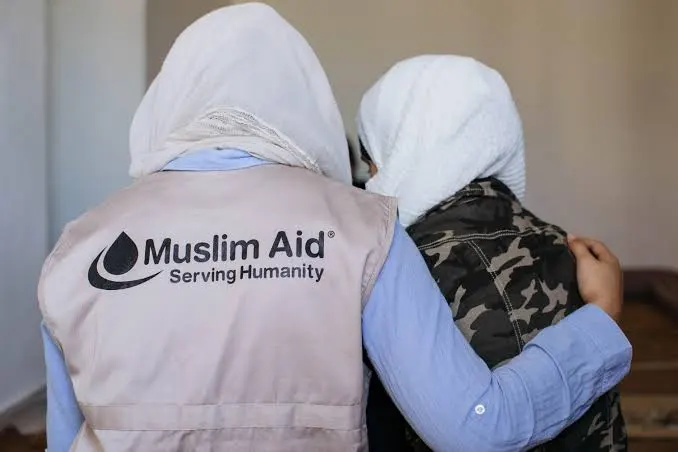
Its workers are typically on the ground engaging directly with communities rather than operating from a distance — designing solutions around real, local needs rather than assumptions.
History & Founding Vision
Founded in 1985 during major humanitarian crises including famine in Africa, Muslim Aid was built to combine faith-driven compassion with professional humanitarian standards. What began as a volunteer-run effort grew into an organization operating across dozens of countries, active in crises like the Bosnian War, the Afghan conflict, and the Rohingya refugee crisis.
A defining shift came as the organization moved from being primarily an emergency responder to one also focused on long-term development — recognizing that while emergency aid saves lives, sustainable development transforms them.
Mission & Values
The mission centers on alleviating suffering, promoting sustainable development, and uplifting vulnerable communities with dignity. Core values include amana (trust), ihsan (doing good with excellence), and a firm belief that poverty should never strip a person of their dignity — aid is delivered to encourage independence, not dependency.
Key Areas of Work
Emergency Relief
Food, water, shelter, and medical aid for disaster and conflict-affected families.
Sustainable Development
Education, healthcare, livelihoods, and water access that break the cycle of poverty.
Health & Medical
Mobile clinics, maternal care, and vaccination campaigns.
Education
Schools, learning materials, teacher training, and orphan sponsorship.
Emergency & Crisis Response
Pre-positioned relief kits — food, water, blankets, hygiene supplies, and first-aid materials — let teams respond within hours of a disaster, whether it’s an earthquake, flood, drought, or conflict. The response adapts by crisis type: food security in famine, water purification in floods, and trauma support alongside food and shelter in conflict zones.
In war-affected areas like Syria, Yemen, and Gaza, Muslim Aid runs mobile clinics and trauma care alongside food and shelter, and stays well past the emergency phase to help rebuild homes, restore livelihoods, and support children through counseling and safe spaces.
Poverty Alleviation
Skills Training
Vocational training in trades matched to local economies.
Microfinance
Interest-free small loans and start-up kits for micro-businesses.
Agriculture
Improved seeds, tools, and climate-resilient farming techniques.
Women’s Empowerment
Home-based business support and self-help groups.
The approach is deliberately community-led — local residents help shape project priorities from the start, and local committees are trained to manage and maintain what gets built, from water systems to schools.
Education & Child Support
School construction and rehabilitation gives children safe, equipped classrooms in place of tents or open fields, paired with teacher training in modern methods and trauma-sensitive instruction. Orphan sponsorship programs cover school fees, meals, healthcare, and emotional support — helping children focus on learning rather than survival.
Adult and youth education, including literacy and vocational courses, extends the same opportunity to women who may have missed schooling earlier in life.
Health & Medical Support
Mobile medical units bring doctors, nurses, and essential medicines to remote villages and displacement camps that otherwise have no medical access — offering check-ups, vaccinations, and emergency treatment. Maternal and child health services include prenatal care, safe delivery support, and nutritional guidance, significantly reducing maternal and infant mortality in vulnerable communities.
Beyond direct care, the organization invests in local healthcare capacity — upgrading clinics, training local staff, and increasingly offering psychosocial support for people affected by trauma and displacement.
Water, Sanitation & Hygiene
Wells, boreholes, and solar-powered water systems bring safe drinking water to communities that once walked miles for contaminated sources — engineered and assessed for long-term reliability, then handed over to trained local committees. Sanitation facilities like latrines reduce disease and give women and girls privacy and safety.
Hygiene education — handwashing, menstrual hygiene management, safe water storage — closes the gap between having access to water and actually staying healthy because of it.
Donations & Transparency
Donations go primarily to on-the-ground programs, with administrative costs kept low and clearly reflected in annual reports and audited financial statements. Donors can direct restricted donations to a specific cause — orphan sponsorship, a well, winter relief — or give unrestricted funds directed to the most urgent need.
Independent audits and field-level monitoring track projects from start to finish, with beneficiary feedback built into the process to keep aid accountable, not just delivered.
Global Presence
Asia
Flood-resilient shelters in Bangladesh, orphan education in Pakistan, tsunami recovery in Indonesia.
Africa
Clean water in Somalia, Sudan, and Kenya; livelihood and agriculture support across East Africa.
Middle East
Emergency relief and trauma support for families in Syria, Yemen, and Gaza.
Europe
Refugee support, winter relief, and integration programs in the UK, Bosnia, and beyond.
How to Support
1Donate
Give a general or cause-specific donation — a well, an orphan sponsorship, emergency relief.
2Give Monthly
Recurring support helps fund faster emergency response and sustained development work.
3Volunteer
Help with events, awareness campaigns, or administrative and community program support.
4Partner as a Business
Corporate sponsorships, CSR initiatives, matched donations, and joint fundraising campaigns.
The Bottom Line
Muslim Aid’s holistic, community-driven approach — pairing emergency relief with long-term development — has built trust across Asia, Africa, the Middle East, and Europe. Every project, from drilling a well to sponsoring an orphan, is built around one idea: restoring dignity, not just meeting a need.
Frequently Asked Questions
What types of programs does Muslim Aid run?
Muslim Aid runs emergency relief, education, healthcare, clean water, orphan sponsorship, livelihood development, and poverty alleviation programs across multiple countries.
Does Muslim Aid help people of all backgrounds?
Yes. Muslim Aid serves individuals regardless of religion, ethnicity, nationality, or gender. Its mission is rooted in universal compassion.
How can I donate to Muslim Aid?
You can donate through their official website, choose a specific cause, or set up monthly contributions for continuous impact.
Is Muslim Aid transparent about how donations are used?
Absolutely. The organization publishes annual reports, financial audits, and project updates to ensure complete transparency.
Can businesses and organizations partner with Muslim Aid?
Yes. Muslim Aid offers corporate partnerships, CSR opportunities, matched giving, and collaborative humanitarian projects for institutions.
Contact
Available for contract work involving WordPress development, SEO/AEO, and digital marketing.
- LocationKhulna, Bangladesh
- Websitemahadi.moejja.com
- Platformmoejja.com
- WhatsAppMessage on WhatsApp