 Written by
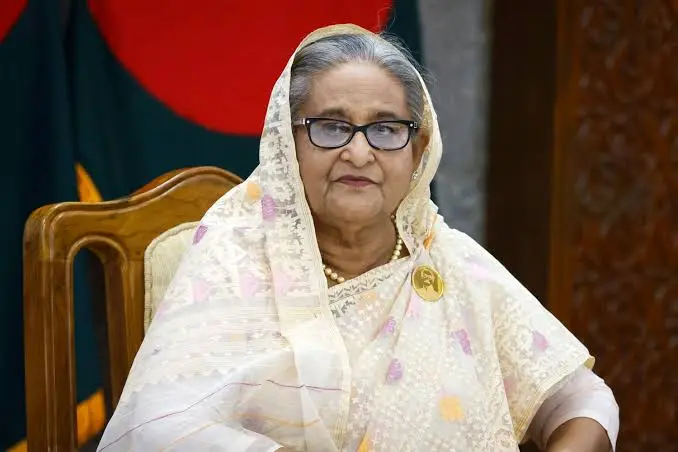
 Sheikh Hasina: Bangladesh’s Longest-Serving Prime Minister
Fifteen years of growth and infrastructure, a nationwide uprising, and a resignation that reshaped Bangladesh’s political future.
| Born | September 28, 1947, in East Pakistan |
|---|---|
| Party | Leader of the Bangladesh Awami League |
| Time as PM | 1996–2001 and 2009–2024 |
| Landmark project | Padma Bridge, largely domestically financed |
| Resigned | August 5, 2024, amid nationwide protests |
Sheikh Hasina is one of the most influential and controversial political figures in Bangladesh’s history. As leader of the Bangladesh Awami League, she served as Prime Minister for most of the period between 1996–2001 and 2009–2024. Her governments oversaw major economic growth and infrastructure development, but her final years in power were marked by increasing political polarization, allegations of democratic backsliding, and the mass protests that led to her resignation and departure from Bangladesh in August 2024.
TL;DR
- Daughter of Bangladesh’s founding leader, Sheikh Mujibur Rahman
- Led Bangladesh through rapid economic growth, infrastructure projects, and poverty reduction
- Critics accused her government of suppressing opposition voices and weakening democratic institutions
- In August 2024, nationwide protests culminated in her resignation and departure from the country
- Bangladesh has since been governed by an interim administration while reforms and election preparations continue
Sheikh Hasina and Bangladesh Politics
Few political leaders have shaped modern Bangladesh as profoundly as Sheikh Hasina. Whether supporters view her as the architect of Bangladesh’s economic transformation or critics see her as a symbol of growing authoritarianism, one fact remains undeniable: her influence on the country spans decades.
What makes her story remarkable is how closely it mirrors Bangladesh’s own journey — from post-independence struggles to becoming one of South Asia’s fastest-growing economies. Yet the events of 2024 changed everything.
Who Is Sheikh Hasina?
Sheikh Hasina was born on September 28, 1947, in what was then East Pakistan. She is the eldest daughter of Sheikh Mujibur Rahman, widely regarded as the Father of the Nation in Bangladesh.
How Did Sheikh Hasina Rise to Power?
The path was far from smooth. During the 1980s, Bangladesh was under military rule, and Sheikh Hasina emerged as a leading opposition voice advocating democratic reforms. After years of political struggle, she became Prime Minister for the first time in 1996. Although her government lost power in 2001, she returned in 2009 and remained Prime Minister until 2024 — a 15-year period that fundamentally reshaped Bangladesh.
Key Political Milestones
| Year | Event |
|---|---|
| 1981 | Became leader of the Awami League |
| 1996 | First elected as Prime Minister |
| 2001 | Lost power |
| 2009 | Returned as Prime Minister |
| 2014 | Won a controversial election |
| 2018 | Re-elected |
| 2024 | Resigned amid mass protests |
What Were Sheikh Hasina’s Biggest Achievements?
Supporters point to several accomplishments across her time in office.
Economic Growth
Sustained economic expansion, significant GDP growth, declining poverty rates, and improvements in manufacturing, exports, and social indicators.
Infrastructure Development
- Padma Bridge
- Dhaka Metro Rail
- Karnaphuli Tunnel
- Expanded electricity access
- Large-scale road networks
Women’s Empowerment
Notable progress in female education, workforce participation, maternal health, and microfinance expansion.
National Symbol
The Padma Bridge became a symbol of national pride, largely financed domestically after international funding disputes.
Why Was Sheikh Hasina Criticized?
Here is where the debate becomes more complex. While economic indicators improved, critics raised concerns about governance.
Concerns Raised by Opposition Groups
- Restrictions on media freedom
- Pressure on opposition parties
- Arrests of political opponents
- Questions surrounding election competitiveness
International human rights organizations frequently called for stronger protections for civil liberties and democratic institutions. Supporters, however, argued that strong governance was necessary to maintain stability and economic progress — a divide that became increasingly visible during the final years of her administration.
What Happened During the 2024 Protests?
The events of 2024 represent one of the most significant turning points in Bangladesh’s political history. Protests initially began around a government job quota system, and at first appeared focused on policy reform. Then the situation escalated.
As clashes intensified between protesters and security forces, broader frustrations regarding governance, accountability, and political representation emerged. What started as a quota protest evolved into a nationwide anti-government movement.
Students at the Center
Student groups became the face of the movement, with universities across Bangladesh turning into centers of political mobilization.
Rapid Escalation
The protests expanded rapidly beyond the original demands, and demonstrators eventually called for Sheikh Hasina’s resignation.
Why Did Sheikh Hasina Resign?
On August 5, 2024, Sheikh Hasina resigned as Prime Minister of Bangladesh after weeks of escalating unrest. Reports indicated that massive demonstrations had reached critical government areas, while the military signaled support for a political transition. Hasina subsequently departed Bangladesh and traveled to India.
Her resignation ended a 15-year uninterrupted period in power. For many Bangladeshis, it marked the end of an era. For others, it represented the beginning of a new political chapter.
Where Is Sheikh Hasina Now?
Following her resignation, Sheikh Hasina relocated to India. Public reports indicate she remained outside Bangladesh while political developments continued to unfold. Her political future remains uncertain — supporters within the Awami League continue to view her as their central leader, while opponents argue that Bangladesh’s future requires new political leadership.
What Has Happened in Bangladesh Since 2024?
The post-Hasina period has been characterized by political transition. An interim administration assumed responsibility for governance and initiated discussions around reform, accountability, and future elections.
Institutional Reform
Citizens have called for reforms to electoral processes, judicial independence, government accountability, and anti-corruption measures.
Economic Challenges
Bangladesh also faced economic pressures, entering discussions with international financial institutions on reforms and financing arrangements.
Relations with neighboring India became a major focus because of Sheikh Hasina’s close relationship with Indian leadership during her years in power — following the political transition, diplomatic dynamics between the two countries have continued to evolve.
How Do Supporters and Critics View Sheikh Hasina?
Supporters See
- A defender of secular politics
- A champion of economic modernization
- A leader who completed major infrastructure projects
- A figure who strengthened Bangladesh’s global reputation
Critics Focus On
- Democratic governance
- Electoral transparency
- Freedom of expression
- Political pluralism
Critics argue that economic success should not overshadow concerns about democratic institutions. That contrast is exactly why Sheikh Hasina remains one of the most debated figures in Bangladesh’s history.
A Quick Example of Her Political Legacy
Imagine two citizens discussing Bangladesh’s recent history. One points to the Padma Bridge, improved highways, growing exports, and rising incomes. The other points to political unrest, contested elections, and concerns about civil liberties.
Both are describing the same period. That tension captures the complexity of Sheikh Hasina’s legacy.
Will Sheikh Hasina Return to Politics?
The answer remains unclear. Political leaders often return after periods of exile or political setbacks, and Bangladesh’s political history contains numerous examples of unexpected comebacks. However, any potential return would depend on future elections, legal developments, public opinion, and the strength of the Awami League.
As of mid-2026, Bangladesh remains focused on political transition and future electoral processes.
Final Thoughts
Sheikh Hasina’s political story is inseparable from the story of modern Bangladesh. Her supporters see a leader who helped transform a developing nation into an emerging economic success. Her critics see a government that became increasingly centralized and intolerant of opposition.
The events of 2024 changed Bangladesh’s political landscape dramatically, and the period from 2024 to 2026 continues to shape the country’s future. Whether history ultimately judges Sheikh Hasina primarily for economic achievements, political controversies, or both, her role in Bangladesh’s development remains one of the most consequential chapters in the nation’s history.
Frequently Asked Questions
Why is Sheikh Hasina important in Bangladesh politics?
She led Bangladesh for much of the period between 1996 and 2024. Her governments oversaw economic growth, major infrastructure projects, and social development initiatives, while also facing criticism regarding democratic governance and political freedoms.
Why did Sheikh Hasina leave Bangladesh?
She resigned and left Bangladesh in August 2024 after nationwide protests escalated into a broader anti-government movement. Following growing unrest and pressure for political transition, she stepped down and traveled to India.
What is Sheikh Hasina known for?
Leading the Awami League, expanding Bangladesh’s economy, overseeing major infrastructure projects such as the Padma Bridge, and serving as one of the longest-serving leaders in the country’s history.
Who succeeded Sheikh Hasina?
After her resignation, Bangladesh moved under an interim administration tasked with overseeing governance and political reforms while preparing for future elections.
What is Sheikh Hasina’s political ideology?
Her politics are generally associated with secularism, Bengali nationalism, economic development, and the political traditions of the Awami League.
Contact
For more political history, biography, and current-affairs explainers, join the community at MOEJJA.
- LocationKhulna, Bangladesh
- Websitemahadi.moejja.com
- Platformmoejja.com
- WhatsAppMessage on WhatsApp