 Written by
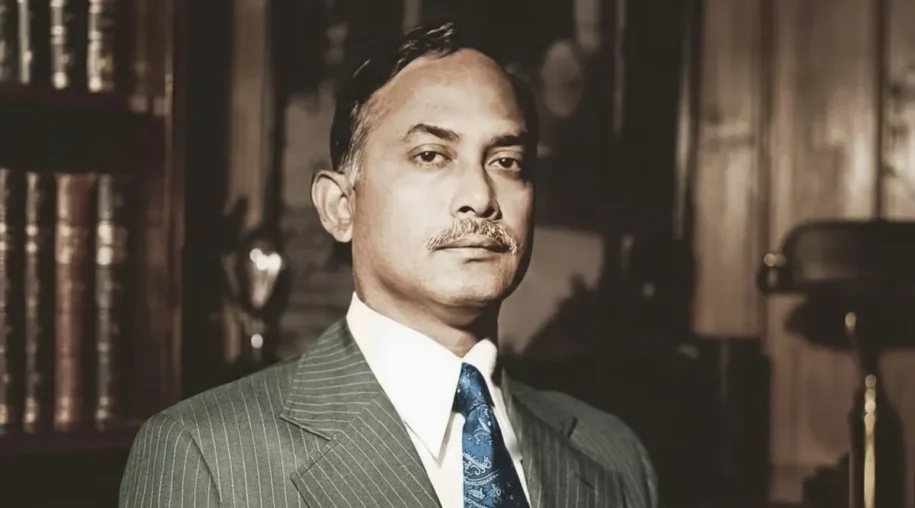
 Ziaur Rahman: Soldier, President, Founder of BNP
A war-era radio announcement, a presidency built out of upheaval, and a political party that still shapes Bangladesh today.
| Born | 1936, in Bogra |
|---|---|
| 1971 role | Announced Bangladesh’s independence from Kalurghat Radio Station |
| President of Bangladesh | From 1977 |
| Party founded | Bangladesh Nationalist Party (BNP) |
| Died | Assassinated in Chittagong, 1981 |
Ziaur Rahman was a former Bangladesh President who played a major role in the country’s independence and post-liberation political transformation. He served as a military officer during the 1971 Liberation War and later became the founder of the Bangladesh Nationalist Party (BNP). His leadership shaped modern Bangladesh politics, though his legacy remains widely debated.
TL;DR
- A key military and political leader in Bangladesh
- Served as President of Bangladesh after the 1975 political upheaval
- Announced the independence declaration in 1971, a widely recognized historical moment
- Founded BNP, reshaping Bangladesh politics
- His legacy remains influential and controversial
- Still central to modern political discourse in Bangladesh
Why Ziaur Rahman Still Matters Today
There are names in Bangladesh politics that never fade into history — they keep resurfacing in debates, elections, textbooks, and even street conversations. Ziaur Rahman is one of them.
Even decades after his death, discussions about him still divide opinions, shape party narratives, and influence how people understand leadership in Bangladesh. Some see him as a war hero and reformist President. Others view him through a more critical historical lens shaped by political rivalry. But one thing is undeniable: his role in shaping the Bangladesh President institution and modern Bangladesh politics is deeply significant.
Who Was Ziaur Rahman?
Ziaur Rahman was a Bangladeshi military officer turned statesman who later became President of Bangladesh. He is most widely known for his role in the 1971 Liberation War, his rise to power after the political turmoil of 1975, founding the Bangladesh Nationalist Party (BNP), and introducing political and economic reforms during his presidency.
In political history, he is often referred to as a “transformational leader” — someone who didn’t just hold power but reshaped the system itself. Whether people agree with him or not, his presence still defines how many understand the evolution of Bangladesh politics today.
Early Life and Military Background
Before becoming President, Ziaur Rahman lived a relatively disciplined and structured early life. He was born in 1936 in Bogra, then British India, and like many young men of his generation, joined the military — then part of the Pakistan Army. This decision shaped everything that followed.
Known As
Disciplined, quiet but strategic, highly focused on military structure and command systems.
An Unlikely Path
Nothing in his early life suggested he would one day become one of the most debated political leaders in South Asia. History rarely follows predictable paths.
Role in the 1971 Liberation War
This is where Ziaur Rahman’s name enters national history in a powerful way. During the Bangladesh Liberation War in 1971, he served as a military officer.
Like many historical moments in Bangladesh politics, interpretations vary depending on political perspective. What remains consistent is that his role during the liberation period positioned him as a national figure long before he became President.
Rise to Power: Becoming Bangladesh President
After the political instability following 1975, Bangladesh entered a phase of military-backed governance. Ziaur Rahman eventually assumed leadership and became President. His rise was not just political — it was structural: he inherited a country struggling with post-war reconstruction, political fragmentation, economic instability, and institutional uncertainty.
His presidency focused on stabilizing governance and introducing reforms across three main areas:
Political Reorganization
New political frameworks and encouragement of multi-party participation.
Economic Direction
Emphasis on agricultural development and private-sector participation.
National Identity Shift
A different narrative of nationalism compared to earlier ideological frameworks.
These decisions fundamentally influenced the direction of Bangladesh politics.
Founding of the Bangladesh Nationalist Party (BNP)
One of Ziaur Rahman’s most lasting contributions was founding the BNP, built around ideas such as national sovereignty, economic pragmatism, political pluralism, and strong national identity. Over time, it became one of the two dominant political forces in Bangladesh and remains a central player in elections and political movements today.
So when people discuss modern Bangladesh President politics, they are indirectly discussing his political legacy.
Leadership Style: How He Governed
Often Described As
Strategic rather than emotional, military-structured in decision-making, reform-oriented, and focused on national stability.
Also Criticized As
Centralized, militarily influenced, and politically divisive in interpretation.
This dual perception is what makes his legacy complex. He was not a symbolic leader — he was an operational one, and that difference matters in understanding Bangladesh politics.
Assassination and Aftermath
In 1981, Ziaur Rahman was assassinated in Chittagong during a military uprising. His death shocked the nation and triggered a major political shift — political tensions increased, BNP leadership transitioned, his legacy became more symbolic over time, and political narratives around him intensified.
From that point forward, he was no longer just a former President — he became a historical symbol interpreted in multiple ways.
Legacy in Bangladesh Politics
Ziaur Rahman’s legacy is not simple — it’s layered, political, emotional, and historical.
Positive Interpretations
- National unity during a crisis period
- Economic and political restructuring
- Founding of BNP
- Strong leadership during transition years
Critical Interpretations
- Debates over historical narratives
- Military influence in governance
- Political polarization legacy
Regardless of viewpoint, his impact is undeniable — modern Bangladesh politics still reflects structures and party systems shaped during and after his presidency.
Timeline of Key Events
| Year | Event |
|---|---|
| 1936 | Born in Bogra |
| 1971 | Liberation War role |
| 1975 | Rise in political power |
| 1977 | Became President of Bangladesh |
| Late 1970s | Political reforms & BNP formation |
| 1981 | Assassination |
A Human Perspective: Understanding His Impact
Let’s step away from formal history for a moment. Ziaur Rahman wasn’t just a political figure in a textbook — he represents a turning point in how Bangladesh defined leadership after independence. Some people remember him through national progress. Others remember him through political debate. But both sides agree on one thing: he changed the trajectory of the Bangladesh President role itself. That kind of impact doesn’t fade easily.
A Final Word
If you look at Bangladesh politics today, you’ll still see echoes of Ziaur Rahman everywhere — party structures, ideological debates, and even how leadership is defined. He wasn’t a simple historical figure you can summarize in a paragraph. He was a system shaper. And whether one agrees or disagrees with him, his story remains deeply tied to the evolution of Bangladesh itself.
Frequently Asked Questions
Was Ziaur Rahman the President of Bangladesh?
Yes, he served as President of Bangladesh during a crucial transitional period in the late 1970s.
What is Ziaur Rahman known for?
He is known for his role in the Liberation War, founding BNP, and shaping modern Bangladesh politics.
What is Ziaur Rahman’s contribution to Bangladesh politics?
He introduced reforms, reshaped governance, and founded a major political party that still exists today.
How did Ziaur Rahman die?
He was assassinated in 1981 during a military uprising in Chittagong.
Why is Ziaur Rahman controversial?
Because his legacy is interpreted differently across political and historical perspectives.
What party did Ziaur Rahman create?
He founded the Bangladesh Nationalist Party (BNP).
Contact
For more political history, biography, and current-affairs explainers, join the community at MOEJJA.
- LocationKhulna, Bangladesh
- Websitemahadi.moejja.com
- Platformmoejja.com
- WhatsAppMessage on WhatsApp